Cloud Administration and Management for Small Businesses

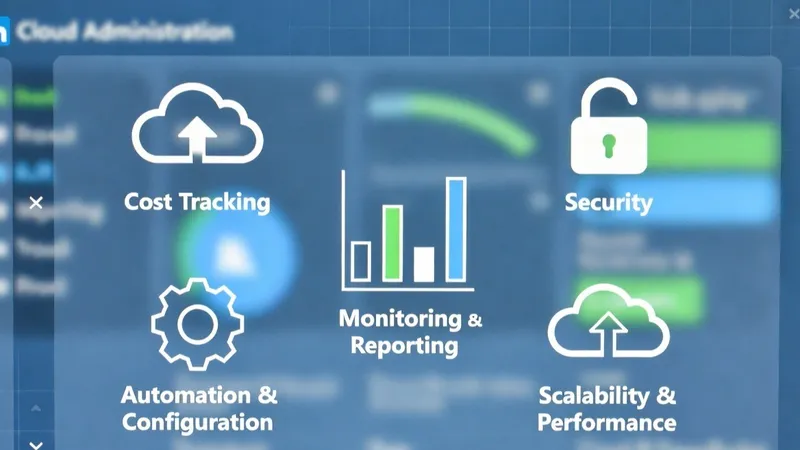
You’ve embraced the cloud for its promise of agility, reduced upfront costs, and the ability to scale with demand. But now, keeping track of resources, controlling expenses, and maintaining security feels like a full-time job. If this sounds familiar, you’re not alone — many teams are navigating the transition from adoption to effective management.
Strong cloud administration and management practices turn the cloud from a potential source of complexity into a reliable business asset. For smaller organizations with limited IT resources, this is especially critical.
The Benefits and Unique Challenges
Cloud environments offer tremendous advantages: pay-as-you-go pricing, access to enterprise-grade tools, and support for remote or distributed teams. However, without disciplined management, these benefits can quickly erode through unexpected costs, security gaps, or operational headaches.
Common challenges include limited in-house expertise, difficulty maintaining visibility across resources, balancing the speed of innovation with control, and ensuring ongoing compliance with evolving requirements. The key is adopting practices that fit lean teams without requiring a large dedicated staff.
Essential Areas of Cloud Administration and Management
Focus on these core areas to build a solid foundation:
- Identity and Access Management: Implement multi-factor authentication across the board, apply least-privilege principles, and conduct regular access reviews. This is often the highest-impact starting point for security.
- Cost Management and Optimization: Use tagging consistently, set budgets and alerts, review usage monthly, and right-size resources. Basic FinOps practices help prevent bill surprises and maximize value.
- Security and Compliance Hygiene: Enable encryption, maintain regular backups, monitor for vulnerabilities, and document data-handling processes. Automation can significantly reduce manual effort here.
- Monitoring, Automation, and Operations: Set up meaningful alerts, leverage infrastructure-as-code for consistency, and explore serverless options to minimize ongoing administration. Centralized dashboards provide at-a-glance visibility.
- Vendor and Resource Management: Choose services that match your needs, review contracts periodically, and consider managed services or partners when internal capacity is stretched.
Practical Steps You Can Take This Quarter
- Conduct a full inventory of active resources and associated costs.
- Establish basic standards (naming conventions, tagging, approval workflows for new resources).
- Set up cost and security alerts with native tools.
- Schedule recurring reviews (e.g., monthly cost meetings, quarterly access audits).
- Document key processes and explore automation opportunities to free up time.
These steps scale with your organization and deliver immediate improvements in control and efficiency.
Avoiding Common Pitfalls
Watch out for “set it and forget it” resources, overreliance on manual processes, and neglect of training or documentation. Treat cloud management as an ongoing discipline rather than a one-off project. When internal expertise is limited, partnering with experienced providers can accelerate progress without heavy hiring.
As these practices mature, they roll up into a broader policy layer — see The Ever-Growing Need for Cloud Governance for how administration and governance fit together.
The Path Forward
Effective cloud administration frees your team to focus on business growth rather than constant firefighting. With the right practices, smaller organizations can achieve levels of efficiency and security that rival much larger enterprises.
Looking to run your technology securely without a dedicated IT team? Grab the free Solopreneur Toolkit for practical, plain-English guides and checklists you can put to work today.

Written by Rafael Tonin
IT and Information Security specialist helping solopreneurs build automated, modern business operations safely. If you found this article helpful, join the community to get blueprints delivered weekly.
Get the Free Toolkit